
Written by / Researcher Geng-Yu Lin
"Can we explore people's ideal future image of smart care services through technological interaction?"
According to the announcement by the National Development Council, Taiwan entered an aged society in 2018 and was projected to transition into a super-aged society by 2025. How to gain insight into and build health care services and products that meet the needs of the Taiwanese people will become an important proposition for enterprises responding to future trends.
Jubo Health has long been cultivating smart care products and services. Design Director Yi-chun Tseng expressed that the core running through the care industry is a "long-term war," because health care issues are inextricably linked to people's lives. Care technology continues to develop toward more real-time, accurate, and safe directions. However, the most critical aspect of such products is actually "human-centered needs," which means how to help users maintain an independent and reassuring pace of life in their caregiving lives, or even provide more information to prepare for potential risks as early as possible? Director Tseng admitted that for small and medium enterprises with relatively scarce resources, repeatedly validating user needs during the product development process has always been a difficult gap to overcome, and how to validate the market value of a new design is also a major challenge.
Key Challenge in Developing Innovative Care Products: Real Feedback from Target Audiences
"Balancing divergence and focus is very challenging in design thinking and planning. Depending on the progress of products and business plans at each stage, we are very grateful for the assistance and participation in discussions from the Taiwan Design Research Institute and JIC Media Group, allowing us to reach more potential users." ─ Project Manager at Jubo Health
To focus on the theme initially, this project conducted interviews with Jubo Health and reviewed domestic and international trend data for potential topic exploration, defining the main target audiences for domestic care products into two types of caregivers: the "new mature generation" (ages 46-67) and "full-time children" (ages 25-45). The main task of caregivers is to care for recipients who cannot take care of themselves due to major surgery, aging, illness, or other reasons. In addition to maintaining the quality of daily life for themselves and the care recipients, they also need to bear long-term psychological pressure. "Respite services" are provided for caregivers, such as dispatching manpower to assist with daily shopping or temporary care, allowing caregivers to obtain short periods of rest.
To promote home care services, Jubo Health attempted to shift its business model from B2B (business to business) to B2B2C (business to business to customer). Since many potential customer groups indirectly use Jubo products through care institutions, it is hoped that the home care population will continue to purchase Jubo's services and products after "using them and finding them good." However, the "usage feedback" from these home product buyers is also data that is currently difficult to collect. Many users did not continue to repurchase after trying the service. In the B2B2C model, it is also difficult to genuinely feed C-end opinions back to the product development end. Furthermore, for potential C-end customer groups not reached through institutions, it is even harder to conduct product testing during development under the premise of establishing a trust relationship.
Can We Establish a Private, Respite-Allowed Environment to Provide Care Information While Collecting Audience Thoughts?
"In addition to accelerating the company's positioning of customer segments, development requirement definitions, and understanding of users in product design, working with different design entities also helps broaden the horizons of our colleagues." ─ User Experience Design Director at Jubo Health
Targeting the method of collecting feedback data from target audiences, the research team of this project formulated an experimental model for "collecting caregiver need data through a two-way information interaction method." This means deploying detection technology within the experimental field, providing care information content to caregivers, and applying technological interaction during this process to collect users' thoughts and preferences regarding product or service messages.
This project held discussions in the form of workshops with the Jubo Health home product development team, JIC MEdia Group (the interactive scenario design team), and the Industrial Technology Research Institute (ITRI) recognition technology development team. The research team and the Jubo team provided content application question sets, JIC Media Group performed design scenario translation, interaction process design, and technology integration, and ITRI provided recognition technology support. The four parties launched detailed planning and the development and optimization of required technologies, gradually constructing the appearance of the experimental field.
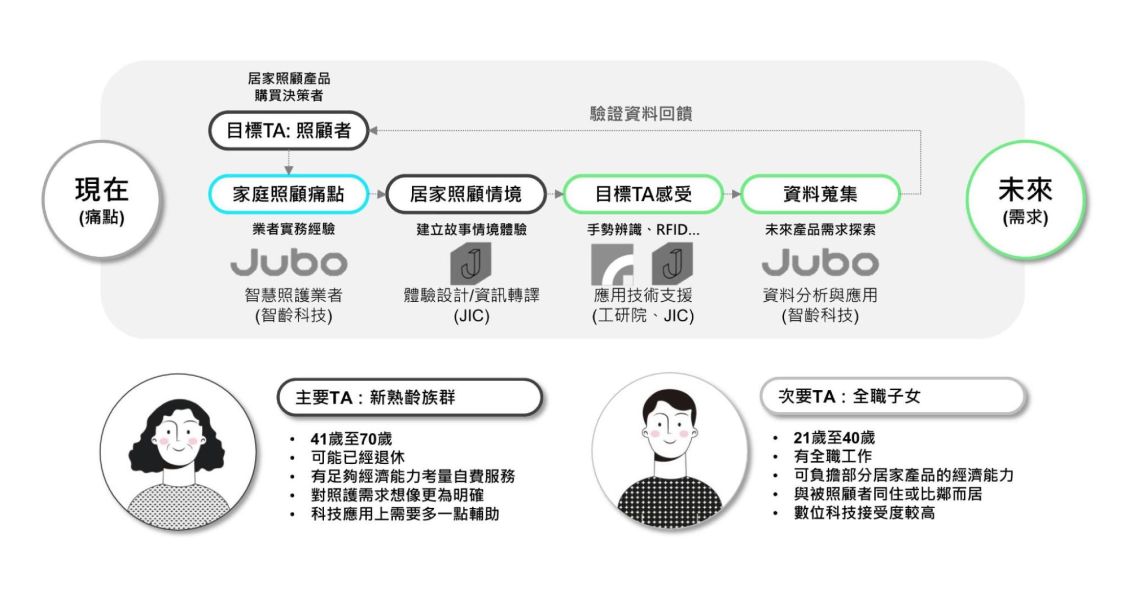
Figure 1: Experimental Execution Architecture Diagram of This Project to Collect Caregiver Need Data Through Interaction
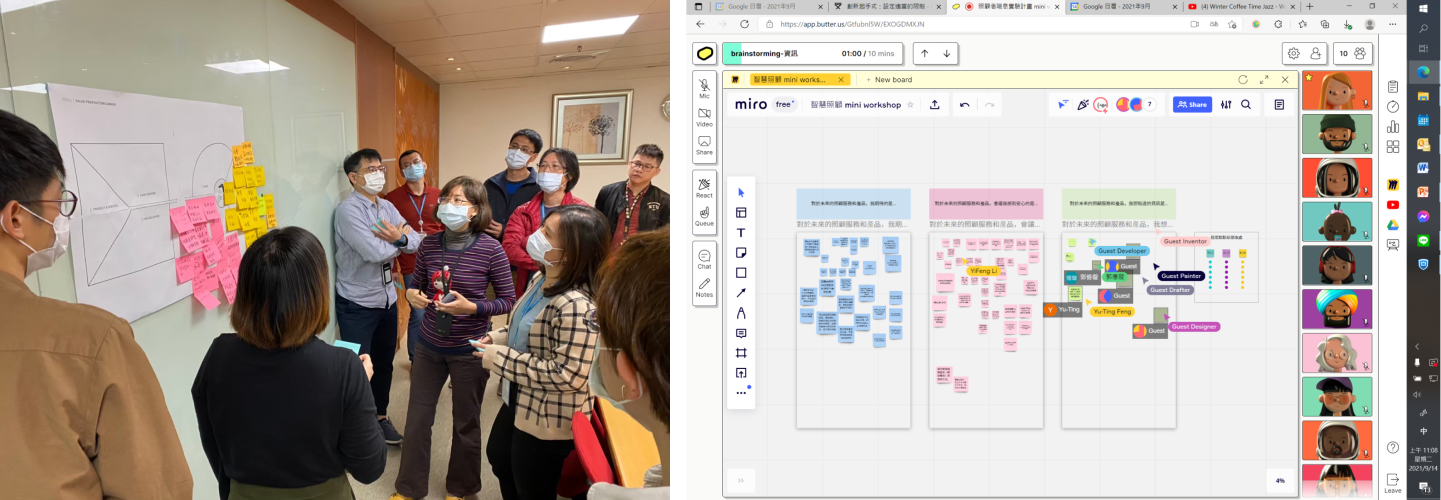
Figure 2: The researchers of this project and the ITRI technology development team discussed the possibilities of technology application in the form of a workshop at the early stage of the project: focusing on the design requirements of the data collection field with the Jubo Health product development team and JIC Media Group in the form of an online workshop
The “Future Care Park” Experimental Field Outcome Display and Effectiveness
The experimental field "Future Care Park ─ Caregiver Interactive Experience Experimental Project" used the "park" as the concept for spatial design, taking the "tree hole," which features privacy and allows people to freely express their inner thoughts, as the primary subject for recognition interaction. Experimental participants' feedback during the process will be recorded in an online database by detection devices and used for subsequent product development requirement analysis.
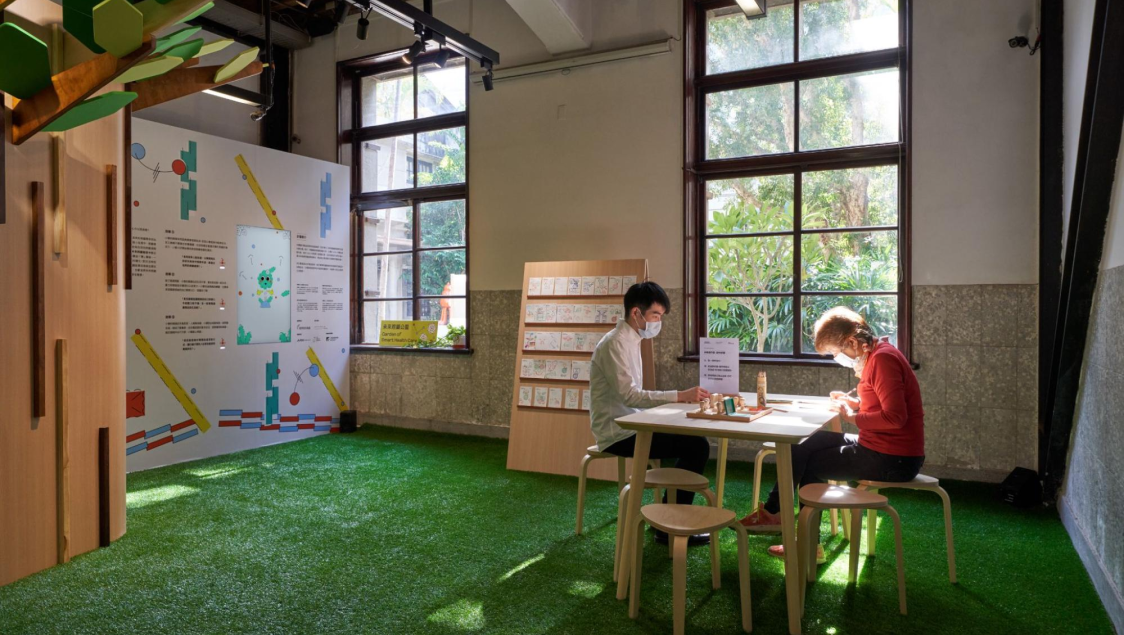
Figure 3: The "Future Care Park" experimental field was set up within the Songshan Cultural and Creative Park in Taipei City, creating a space atmosphere that allows caregivers to relax and attracting natural foot traffic to enter and interact
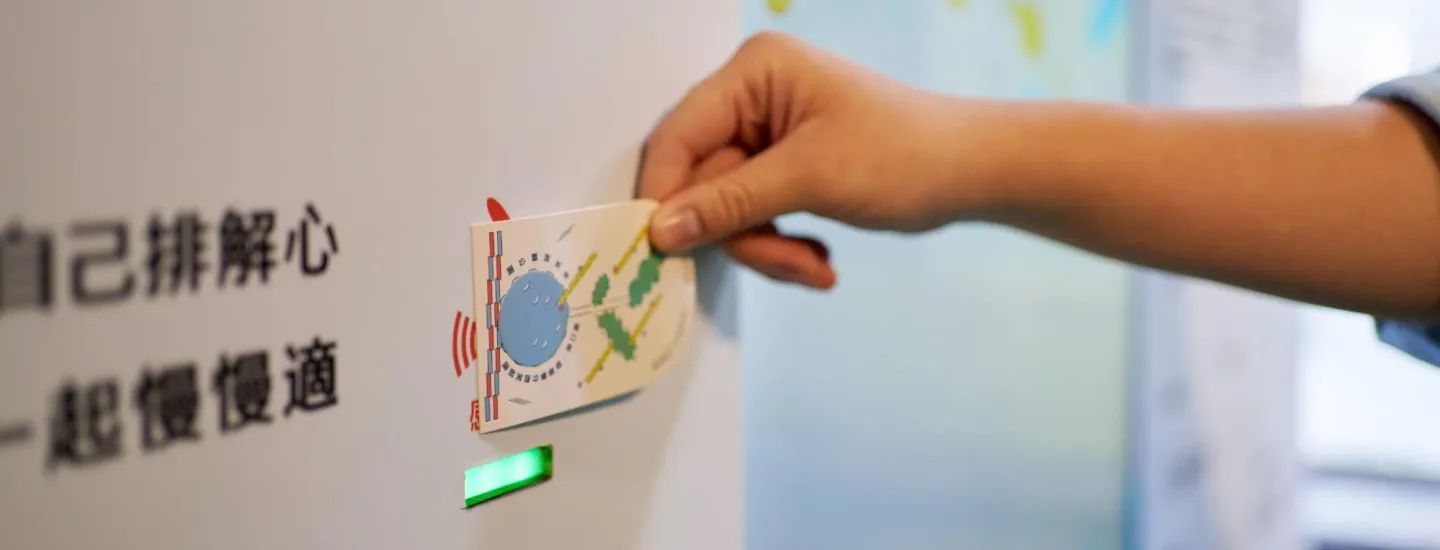
Considering public epidemic prevention policies and the possibility of applying this experimental method to other fields (such as medical institutions, care facilities, etc.) in the future, priority was given to developing "zero-contact object recognition" related technology applications. Ultimately, gesture recognition and RFID (Radio Frequency Identification) were adopted, supplemented by online questionnaires to collect user data.
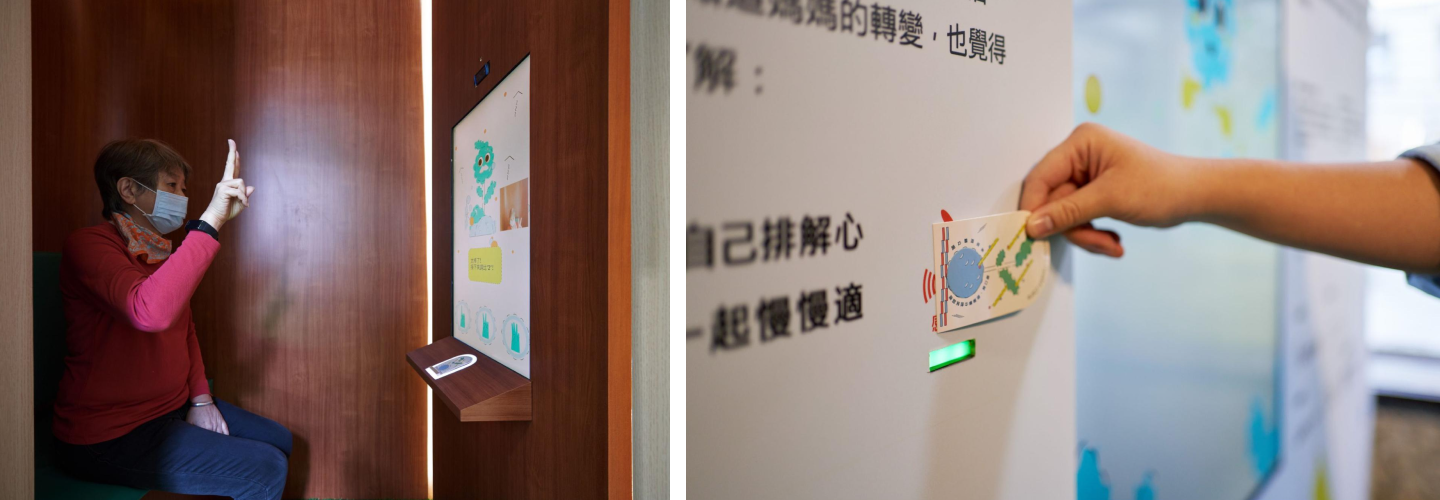
Figure 4: Experimental participants answered care scenario question sets through gesture recognition, and matched the identities of respondents for different question sets through RFID
The experimental field opened on November 26, 2021, and collected 884 pieces of participant data by February 28, 2022. Regarding the research results, 81.5% of participants believed this experiment allowed them to fully understand future home care scenarios, 88% of participants agreed that the experimental process helped them think about potential needs in home care, and 74.1% of participants preferred participating in this type of interactive experiment over filling out questionnaires. In terms of data collection application, Jubo Health agreed that this method could indeed increase market data collection channels, reach more potential users than before, and obtain real feedback from potential customer segments to enhance product innovation efficiency.