
Written by / Researcher Yi-Hsuan Kuo
Background Introduction
In recent years, dramatic changes in technology and the environment have expanded people's infinite imagination regarding future mobility. The application of emerging technologies has initiated mobility services such as air taxis, ride-sharing networks, and autonomous vehicles, while social transformations have also diversified individual needs. How industries and societies respond to rapidly changing markets has become the main axis of the current mobility revolution.
With the rise of various issues, an increasing number of enterprises internationally are no longer confining their future development strategies to technological progress alone. Instead, they are gradually integrating design into product innovation and R&D processes, allowing design participation to find future application scenarios for new technologies. International management consulting firms such as McKinsey, Arup, and PwC have put forward forecasts for future mobility patterns, hoping to help the mobility industry plan for the market in advance and seize opportunities amid changing market demands.
The Taiwan Design Research Institute executes the technology project "Design-Driven Technology R&D and Industry–Research Co-Creation Program" under the Department of Industrial Technology, targeting the important domestic innovation issue "Smart Mobility." From the analysis of international trends and key domestic industries, it selected the "Micromobility" industry to explore application opportunities for design within the micromobility sector. It commenced a three-stage co-creation discussion with the Cycling & Health Tech Industry R&D Center (CHC) starting from May 2022. By inviting industry trend experts, engineers, and product designers, they explored how transport and mobility will transform over the next ten years through design methodologies and trend analysis, thereby proposing innovative application directions for forward-looking technologies to assist in formulating industrial technology strategies and increasing market application opportunities.
The execution framework of this study was constructed based on the Design Thinking Double Diamond Model proposed by the British Design Council, executed through three stages:
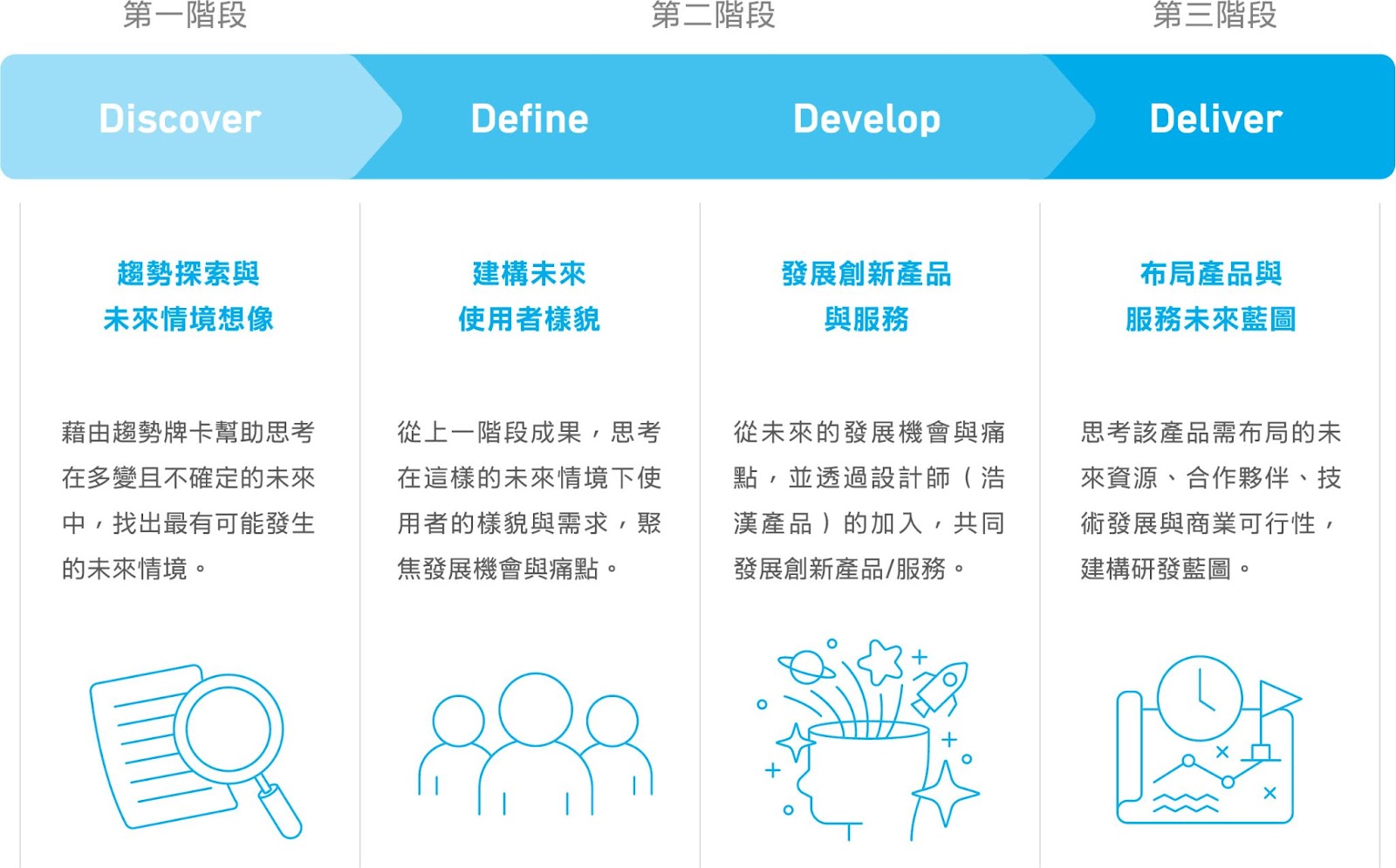
Figure 1: Execution Framework of the 2030 Future Mobility Scenario Co-Creation Workshop
(Data Compilation: Compiled by the author; Diagram Design: Benzhi Design Consultant Co., Ltd.)
- Trend Exploration and Future Scenario Imagination
- Constructing Future Users and Innovative Products/Services
- Planning the Future Blueprint for Products and Services
By clarifying industry profiles and innovative future trends, and discussing jointly with industry experts, designers, and engineers, they progressively depicted innovative future mobility vehicles and services from diverse perspectives, and mapped out a development blueprint for the micromobility industry.
Phase 1: Trend Exploration and Future Scenario Imagination
In the early stage of the research, "mobility" was used as the keyword for data collection, encompassing various issues across different dimensions such as related technologies, policies, and lifestyles from various countries. Key development trends for future mobility were selected, and the data was transformed into trend cards available for discussion. Furthermore, the CB Insights NExTT Framework theoretical model was utilized to conduct a positioning analysis of different trends within the industry and market.
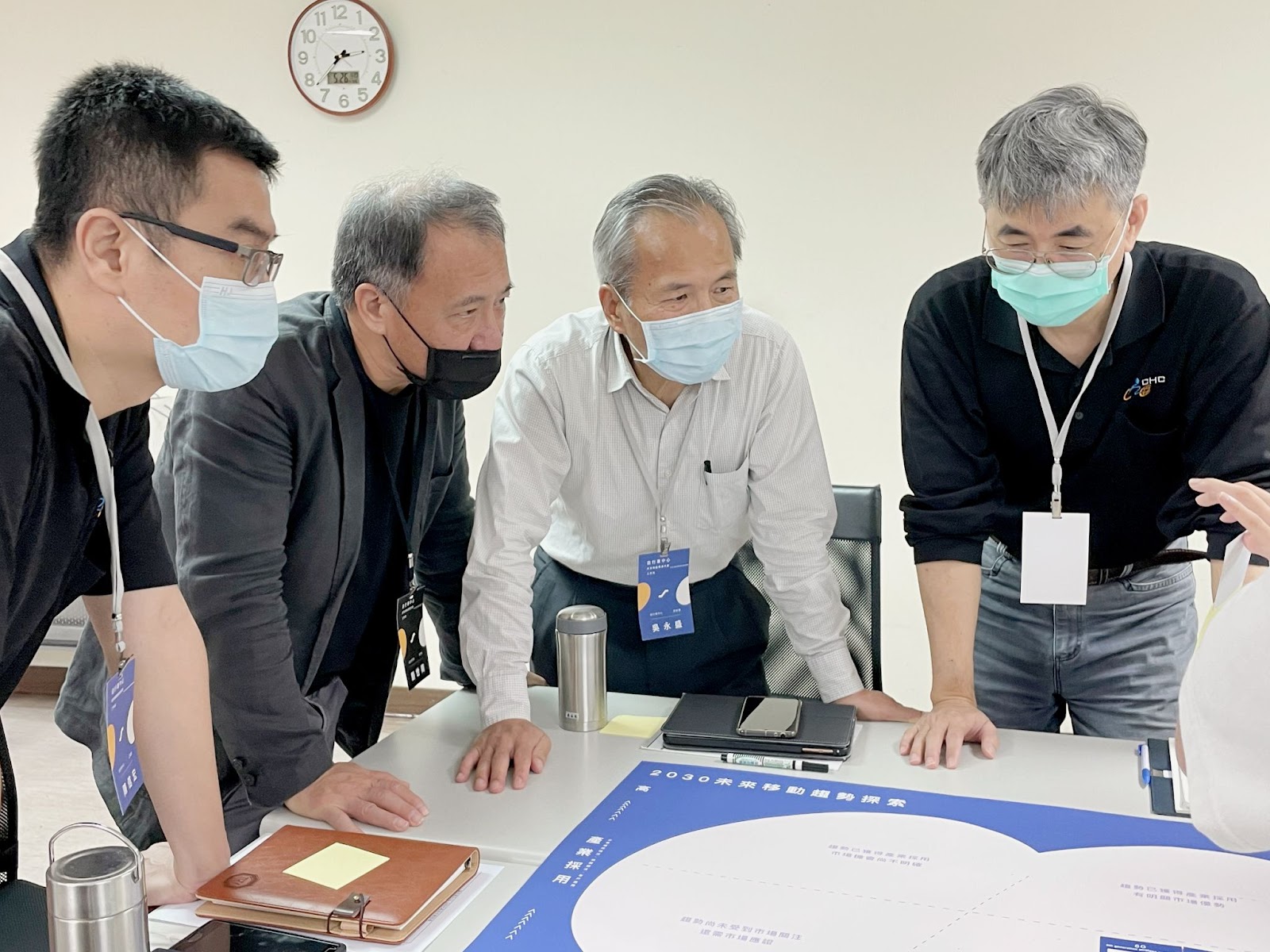
Figure 2: Experts Discussing Trends
(Source: Compiled by the author)
This assisted experts from CHC in making judgments from diverse perspectives, focusing on industry adoption and market advantage aspects to identify key trends affecting the future mobility environment. Subsequently, the AEIOU framework was used to find out what changes would occur to environments, characters, and objects under the influence of various trends, progressively outlining future mobility lifestyles and compiling six major future mobility scenario themes based on the scenarios developed by each group.
Phase 2: Future Users and Innovative Products/Services
Targeting the six major scenario themes, the focus was placed on three sets of future mobility scenarios that experts believed had the highest potential for development. By employing personas, customer journey maps, and service blueprints, they imagined how future people would utilize mobility vehicles in their daily lives to reach destinations. From behaviors, thoughts, and viewpoints during the mobility process, they analyzed transformations in mobility behavior to further contemplate innovative mobility vehicles and services.
To make innovative concepts more concrete, designers from Nova Design were also invited to join. By building an open dialogue space, professional ideas collided with one another. The Minimum Viable Product (MVP) evaluation framework was utilized to focus on the primary functions of products and services, allowing workshop participants to construct mobility vehicle prototypes, basic functions, and service modes tailored to technical details, functional specifics, and surrounding contexts while developing creative ideas.
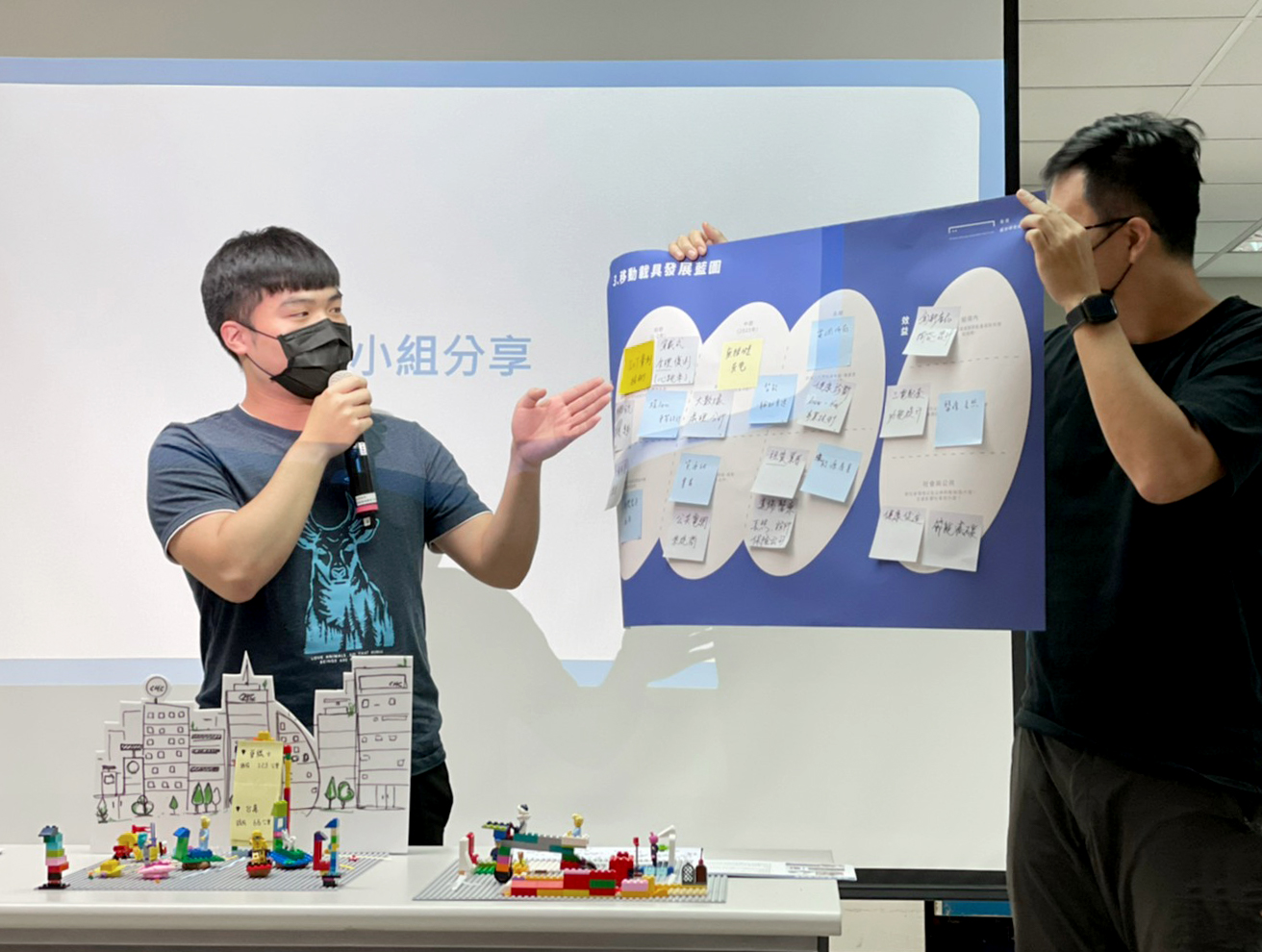
Figure 3: Simple Prototype Development for Future Mobility Vehicles
(Source: Compiled by the author)
Phase 3: Planning the Future Blueprint for Products and Services
To effectively realize the solutions and practice the planning, the Business Model Canvas was used to understand the value and target groups that mobility services intend to convey to the market. Simultaneously, standing from the perspective of service providers, they inventoried required key resources, cooperative partners, and cash flows to think ahead about possible business models. They also planned for the R&D energy that the organization currently needs to strengthen, the impact on the industry, and the influence on the diffusion of public issues.
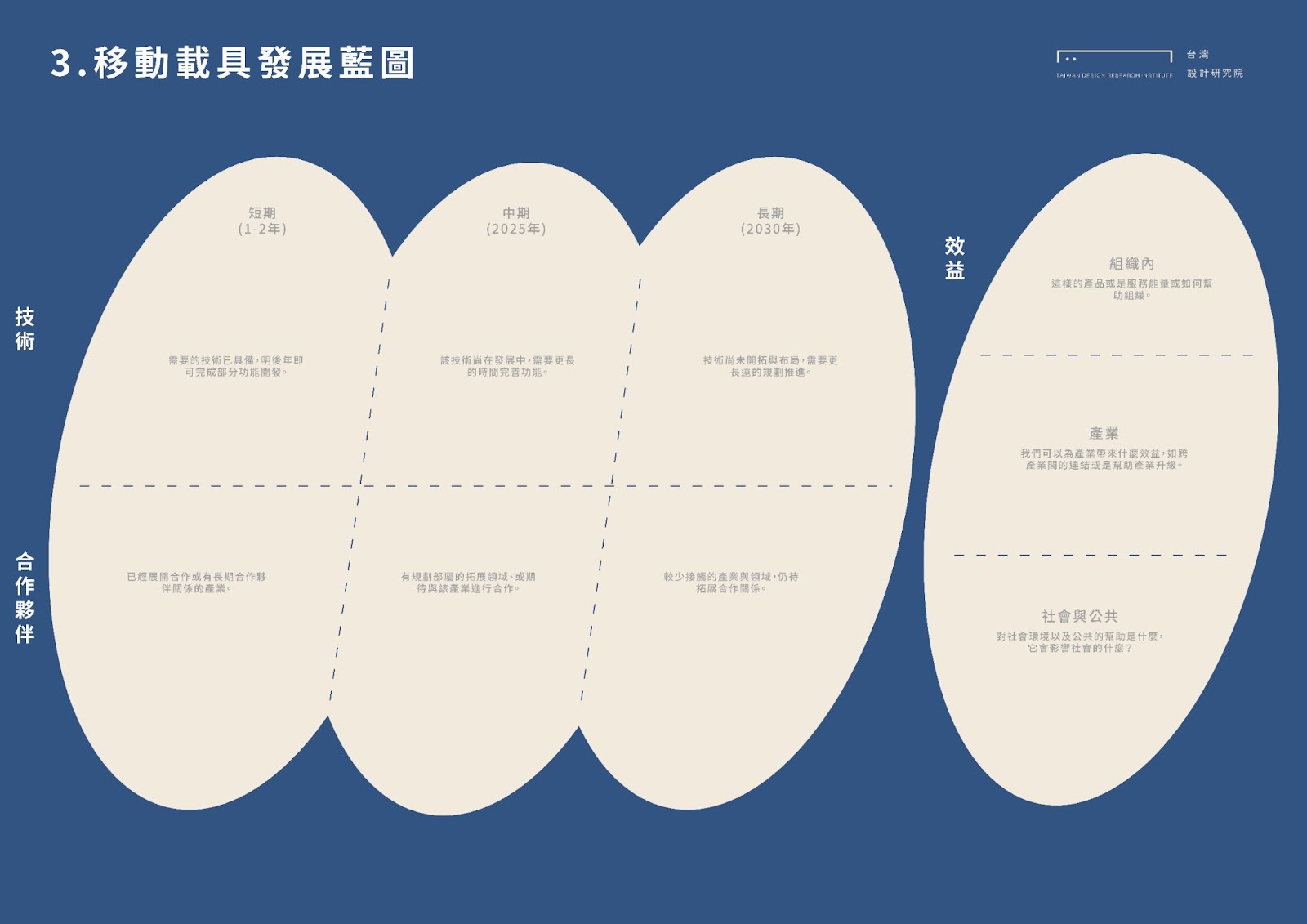
Figure 4: Planning the Future Development Blueprint for Mobility Vehicles
(Source: Compiled by the author)
The research outcomes of the project are primarily divided into three dimensions:
1. Impact on the Micromobility Industry: Developing conceptual prototypes of mobility vehicles to provide industries with innovative deployment
By condensing consensus on future scenarios from the diverse perspectives and ideas of experts, three sets of new application scenarios and corresponding product-services were proposed for the mobility industry to serve as a reference for industrial R&D planning. This also assists relevant technical legal entities and industries in topic selection, allowing them to allocate R&D resources in advance.
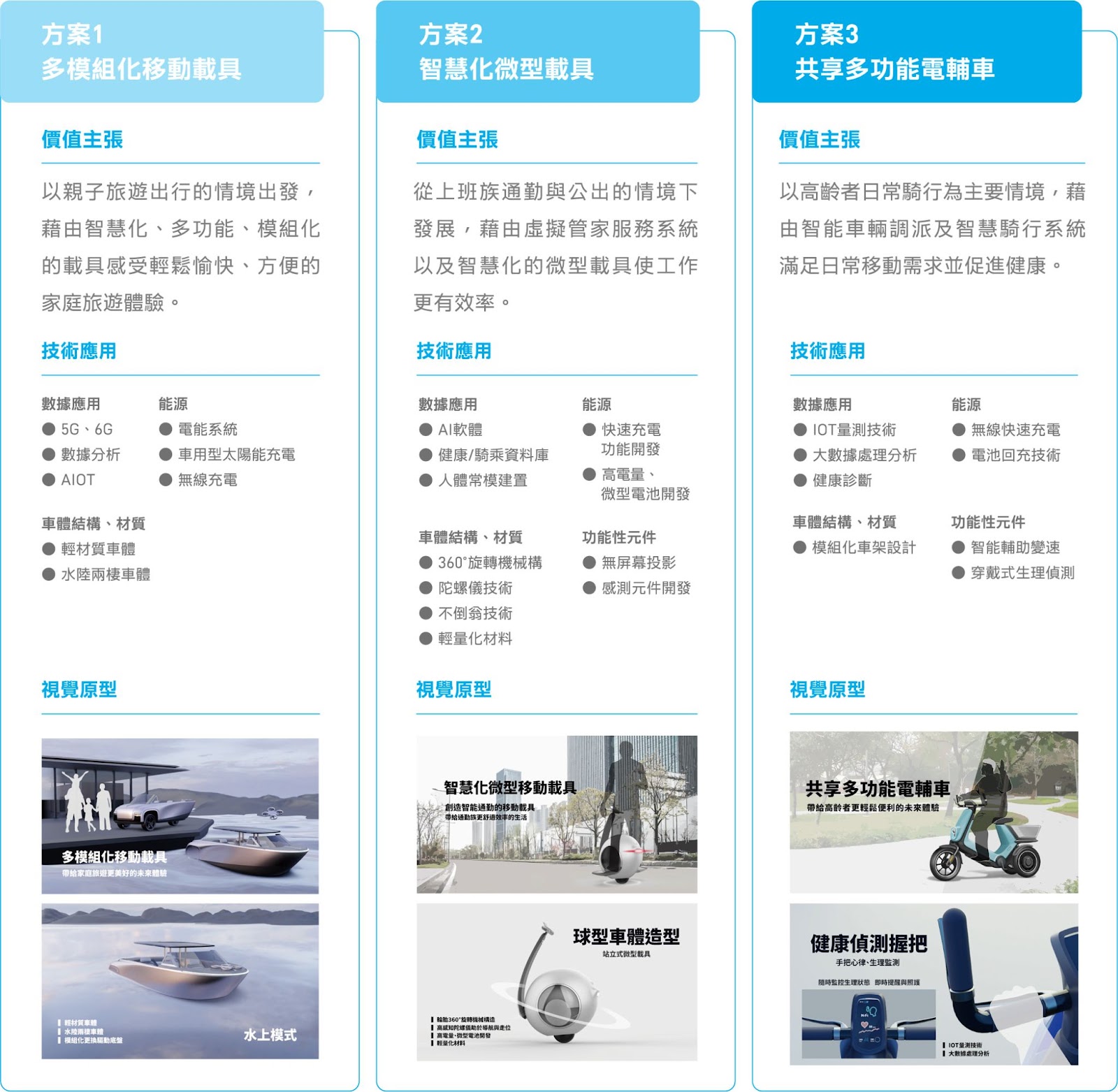
Figure 5: Conceptual Prototypes of Mobility Vehicles
(Data Compilation: Compiled by the author; Diagram Design: Benzhi Design Consultant Co., Ltd.)
2. Impact Within the Organization: Introducing design thinking and applying it to future R&D operations
Through the establishment of a co-creation workshop environment, opportunities for cooperation among legal entities as well as the possibilities of combining design with technology were explored. Through the operational processes of the workshops, it also assisted R&D units in cultivating design thinking capabilities and applying them to future work.
3. Design Tool Development: Developing design tools suitable for the mobility field to be applied by required operators
This project developed a total of six sets of design tools for mobility scenario exploration and innovative product development. These can provide relevant operators with means to evaluate the industry potential and market maturity of trends, and can also utilize thematic stimulation to ponder the future development advantages or development directions of products, serving as propulsion tools for operators to pioneer innovative products and services.
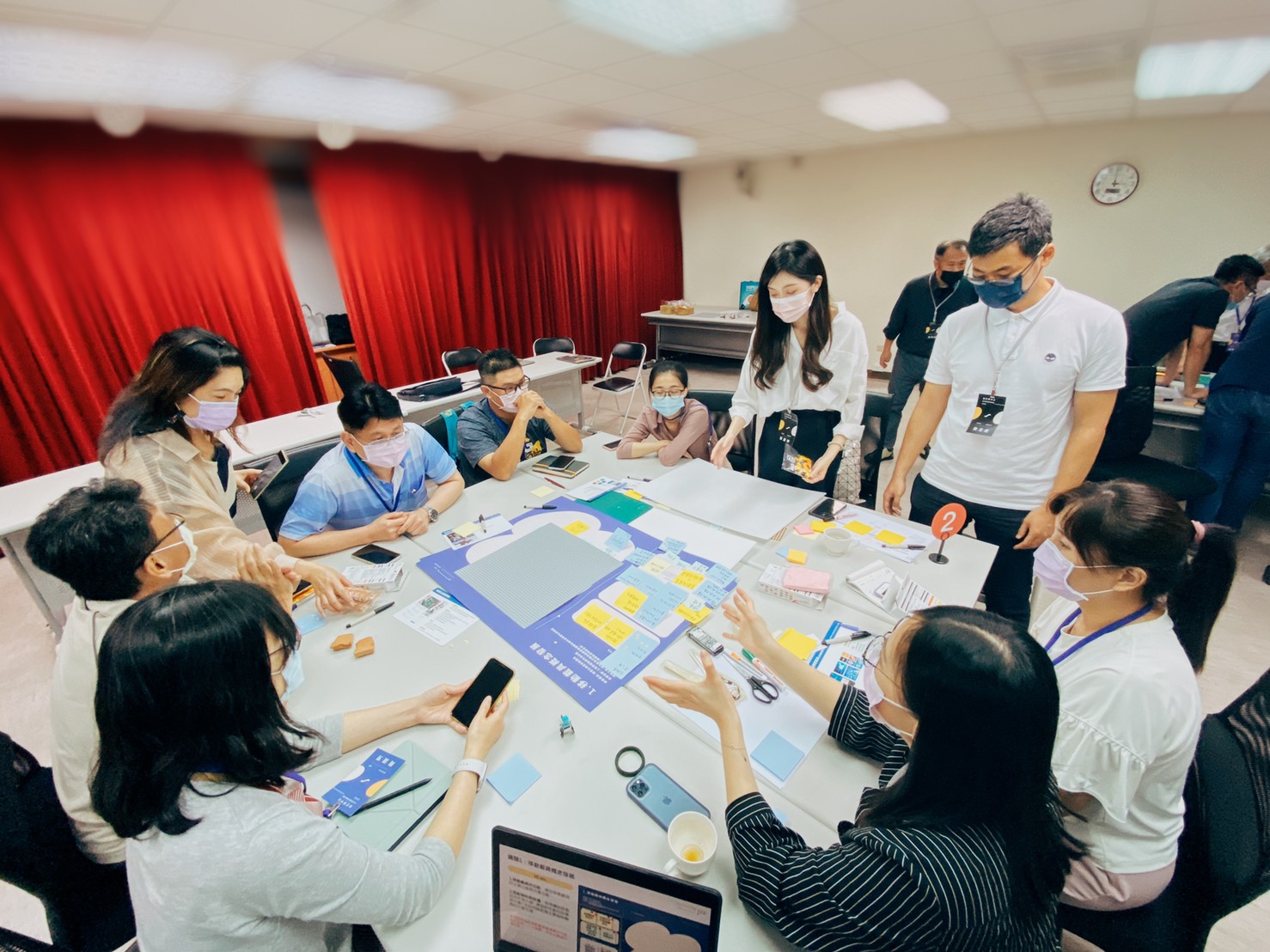
Figure 6: The Co-Creation Workshop
(Source: Compiled by the author)
As a structured and creative problem-solving methodology, design thinking effectively helps enterprises and R&D units enhance creativity and development speed. Through co-creation workshops, it assists experts from different fields in exchanging ideas and exploring, shifting from a technology-driven development model to a future-thinking perspective to find future scenario profiles. In addition to helping organizations perform strategic resource planning in advance, it further enhances the possibility of cross-disciplinary cooperation between design and scientific research, building a cross-industry co-creation design innovation network.
"The workshop provided colleagues from the Cycling & Health Tech R&D Center with the opportunity for co-creation ideation of 2030 future vehicles. Through injecting ingenious ideas across domains and professions, it sparked an innovative thinking revolution within the R&D unit, leading the future development vision of the bicycle industry." - General Manager Johnson Wu of CHC
The full text is published in "Design Driven Innovation: Micromobility Sector." For purchase, please contact Taiwan Design Research Institute "DesignPin" or Not Just Library.
References
Arup. (2022 January). Reimagining the Future of Transport across Asia and the Pacific. Arup Group Limited Publishing.https://www.adb.org/sites/default/files/publication/744376/ future-transport-asia-pacific-main-report.pdf
McKinsey & Company. (2021, April 29). What will mobility look like in 2040? McKinsey & Company. https://www.mckinsey.com/features/mckinsey-center-for-future-mobility/overview