
Project Background
With clients' increasing demands for product performance and functionality, high-priced machine tool products require long evaluation and negotiation periods during purchasing decisions to satisfy production needs. However, traditional promotional methods such as exhibitions, physical machine displays, promotional materials, official websites, and operation videos, although capable of providing basic information, find it difficult to fully present machine operation details due to limited exhibition formats. Furthermore, international exhibition costs are high, making it harder to satisfy clients' deep understanding of the products.
Targeting this marketing pain point, the project takes the machine tool exhibition and sales scenario as an entry point, introduces design thinking, and develops more attractive and rich exhibition tools to enhance brand competitiveness and client satisfaction, thereby promoting expansion and export opportunities for products and components in domestic and international markets.
Design Introduction Process
Planned according to the Design Thinking Double Diamond Model, the design and development are divided into four phases: (1) Needs Research, (2) Content Integration, (3) Prototype Design, and (4) User Testing (see Figure 1). The detailed development process and outcomes of the project are also recorded in the specialized book "Design Driven Innovation: Manufacturing Industry."
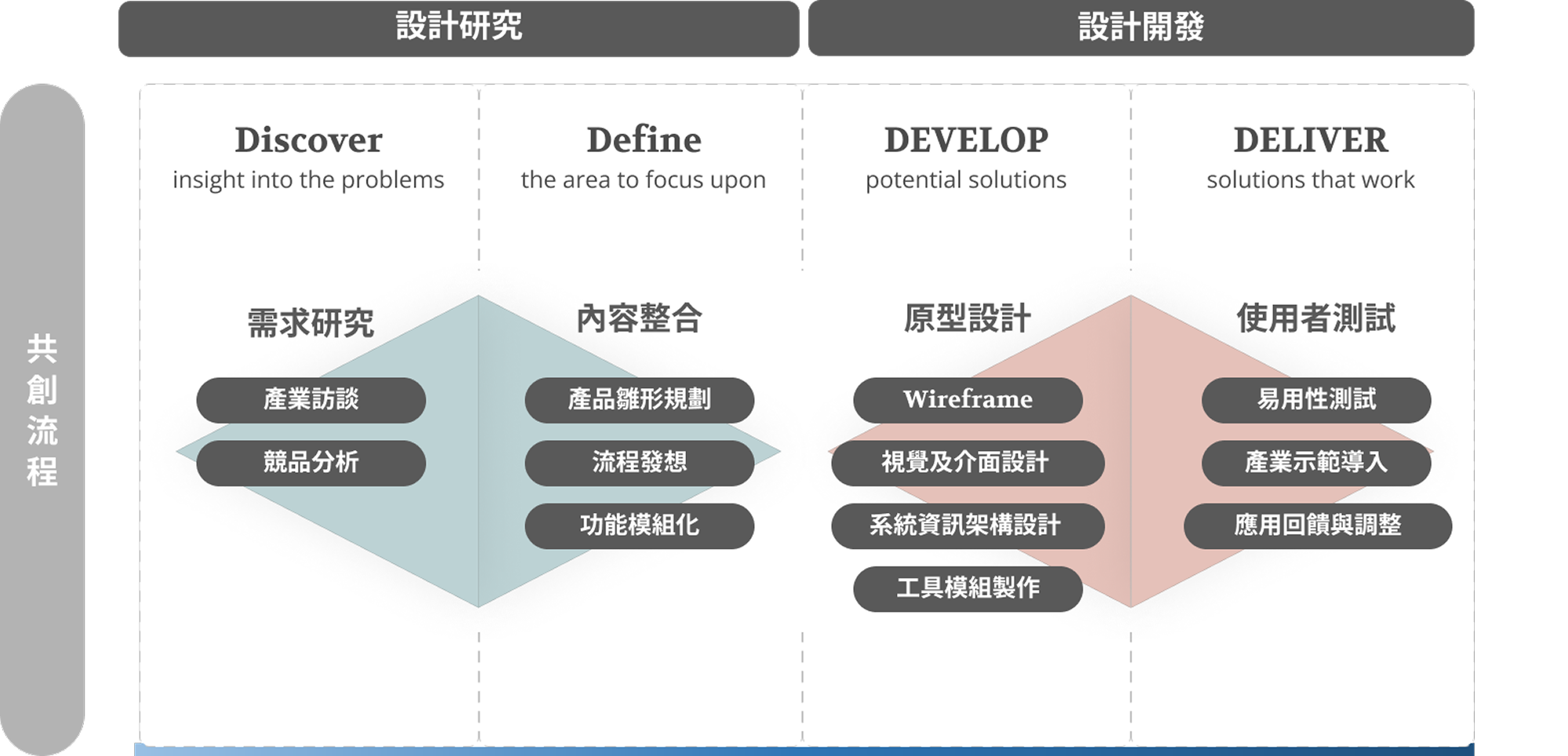
(Source: Taiwan Design Research Institute)
Design Service Solutions
This study cooperated with Mifly to develop an exhibition platform with modular functions, breaking through the limitations of traditional physical machine displays. It transforms machine products from flat surfaces into 3D dynamic presentations, significantly reducing the transport and space costs of large machines for exhibitions and sales, while simultaneously enhancing export opportunities for domestic machine tools and component products.
Modular design not only reduces customization communication costs but also maintains high flexibility, making the exhibition content richer and the quality more refined. Platform feature highlights include:
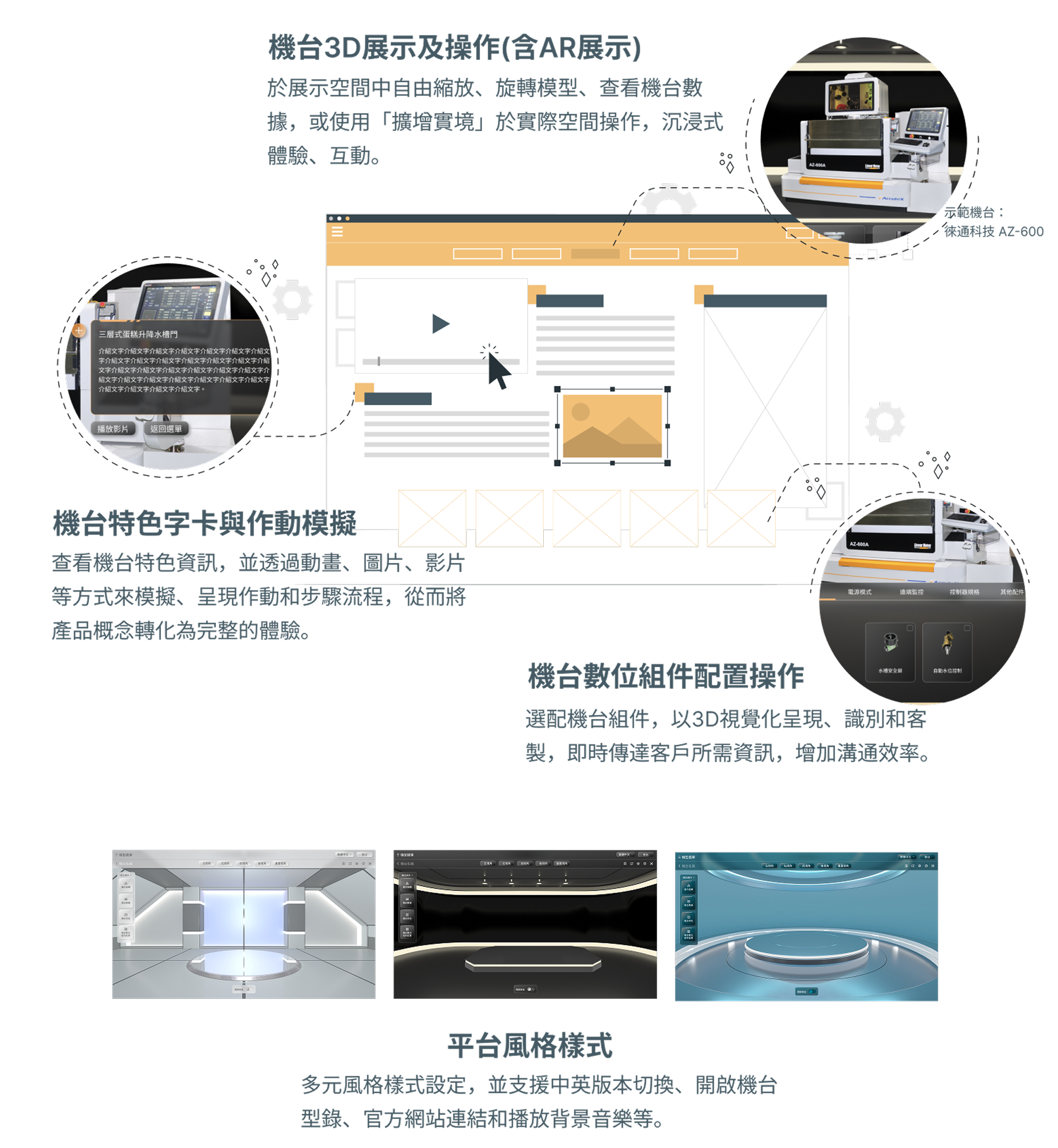
Figure 2: Feature Highlights of the Interactive Exhibition Module Platform
(Source: Taiwan Design Research Institute)
Benefits and Future Development
The "Machinery Industry Interactive Exhibition Module Tool" utilizes user-centered design thinking to develop a 3D dynamic exhibition platform that balances experiential quality and cost-effectiveness. It accelerates manufacturers' digital content production, satisfies needs for digitized equipment exhibition, sales, and after-sales service, and brings the following benefits to the industry:
1. Enhancing User Experience
The platform design is intuitive and easy to operate, allowing clients to explore product details without guidance from others. Before purchasing, they can deeply understand machine actions, features, and optional components, reducing friction during operation and enhancing the exhibition and sales experience.
2. Accelerating Market Expansion
The 3D dynamic exhibition platform breaks through time and space limitations, significantly reducing marketing and transportation costs for overseas exhibitions and sales. Diversified exhibition formats attract domestic and international clients, and modular functions respond quickly to market demands, reducing customized communication time and improving product promotion and time-to-market speeds to seize market opportunities.
3. Brand Differentiation
Innovative exhibition methods shape a unique brand image. Through high-quality displays and interactive experiences, clients are left with a deep impression, further enhancing brand loyalty and word-of-mouth effects to attract more potential clients.
4. Resource Sharing and Industrial Cooperation
Co-creating a modular platform with cross-domain units promotes technical exchanges and resource sharing, improves the operational efficiency of the overall industrial chain, establishes a healthy co-creation ecosystem, integrates resources, and strengthens industrial competitiveness.
In the future, the interactive exhibition platform will continue to be optimized, with more functions and services planned to further enhance client experiences and expand foreign sales markets. Active promotion of cross-border technical cooperation will also be pursued to broaden cooperation opportunities and jointly advance industrial transformation and innovation.
*For more information on exhibition tools, please refer to: https://reurl.cc/RLE6N9
*If you are interested in collaborating with us, please contact us to discuss a customized solution tailored to your needs:
Researcher Wan Jiang, Design R&D Section, Taiwan Design Research Institute
Email: nancy_jiang@tdri.org.tw